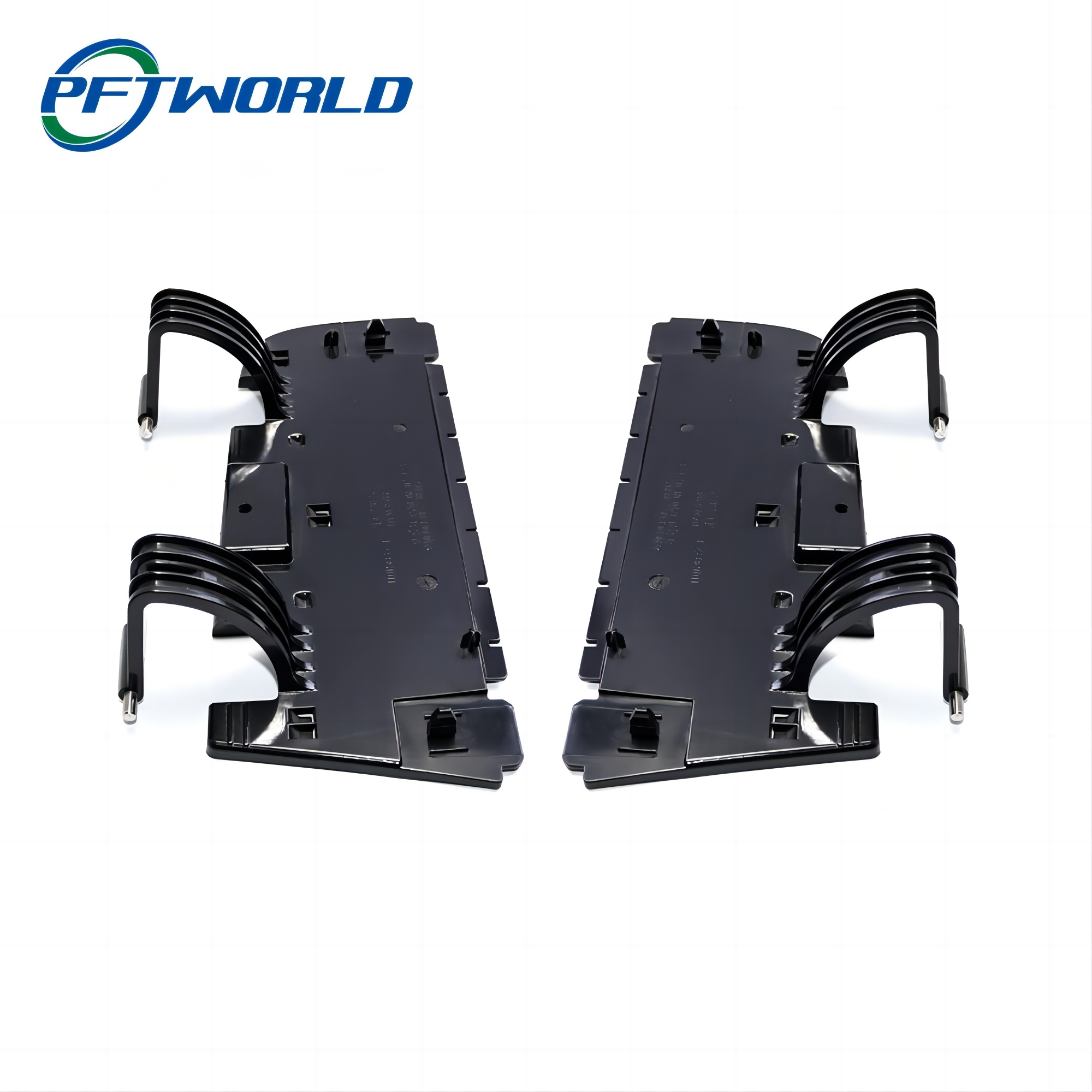
**Innovations in Aluminum Components Propel CNC RC Car Parts Industry Forward**The CNC RC car parts industry is witnessing remarkable advancements, chiefly driven by innovations in aluminum components manufacturing. As the demand for high-performance, durable, and lightweight parts intensifies among hobbyists and professional racers alike, companies specializing in aluminum machining are stepping up their game to deliver precision-engineered solutions that enhance the performance and longevity of remote-controlled (RC) cars.**Rise of Aluminum Components in RC Car Parts**Aluminum has emerged as the material of choice for numerous RC car parts due to its exceptional strength-to-weight ratio, corrosion resistance, and ease of machining. Traditionally dominated by plastic and steel, the RC car parts market is now seeing a pronounced shift toward aluminum alloys that offer significant improvements in vehicle handling and durability. This transition is facilitated by advances in CNC (Computer Numerical Control) machining technologies, which enable manufacturers to produce intricate and highly precise components that meet the rigorous demands of competitive RC racing.Companies specializing in manufacturing aluminum components for CNC RC car parts have leveraged their expertise and state-of-the-art facilities to innovate across various product categories. From chassis plates and suspension arms to motor mounts and heat sinks, aluminum parts have rapidly become indispensable for enthusiasts seeking to optimize their RC cars for speed, agility, and reliability.**Industry Expertise and Technological Prowess**Modern manufacturers combine traditional metallurgical knowledge with cutting-edge CNC machining techniques, ensuring each part meets stringent quality standards. With advanced CAD/CAM software integration and multi-axis CNC machines, companies can deliver consistent and repeatable precision parts that drastically reduce installation errors and improve overall vehicle performance.The shift to aluminum components also positively impacts the customization aspect of RC cars. High-quality machining allows for bespoke parts tailored to specific vehicle models or racer preferences. This level of customization not only improves performance but also fosters a deeper connection between users and their RC vehicles, elevating the hobby to a highly specialized and technically sophisticated domain.**Sustainability and Efficiency in Production**Alongside product quality and innovation, manufacturing companies in the aluminum CNC RC car parts sector are increasingly focusing on sustainable production practices. Efficient use of raw materials, recycling of aluminum scraps, and minimizing energy consumption during machining processes underscore the industry's commitment to environmental responsibility.Several manufacturers have implemented lean manufacturing practices and invested in energy-efficient CNC machines that reduce carbon footprints and production costs simultaneously. These efforts ensure that the growth of the RC car parts market aligns with broader global sustainability goals while maintaining competitive pricing for consumers.**Market Trends and Consumer Demand**The global RC car market has seen a surge in popularity recently, propelled by advancements in electronics, battery technologies, and the growing trend of outdoor recreational sports. This uptrend has translated into a robust demand for high-quality CNC aluminum parts that can deliver enhanced performance parameters like reduced weight, improved heat dissipation, and superior mechanical strength.Consumer feedback emphasizes the importance of precision and durability, pushing companies to innovate continuously. The availability of affordable CNC technology has also lowered barriers to entry, enabling new players to develop niche product lines catering to specific racing styles and vehicle types.**Outlook for the CNC RC Car Aluminum Parts Sector**Looking ahead, the industry is poised for sustained growth fueled by technological innovation and expanding enthusiast communities worldwide. As manufacturers adopt more automated and intelligent CNC solutions, production efficiency and product quality will only improve, encouraging further use of aluminum components across a broader range of RC car models.Research into new aluminum alloys and hybrid materials also promises to unlock additional performance gains. Integration with smart sensor technology and telemetry systems could lead to parts that provide real-time data feedback, enhancing both the racing experience and vehicle maintenance.**Conclusion**The CNC RC car parts industry’s focus on aluminum components reflects a broader trend toward higher-performance, durable, and sustainable products. By leveraging advanced CNC machining technologies and adopting environmentally conscious manufacturing processes, companies are transforming the RC car market landscape. This not only benefits hobbyists with superior parts tailored to their needs but also contributes positively to industry growth and technological innovation. As interest in RC racing continues to rise, the demand for expertly crafted aluminum parts will remain a key driver of progress and excellence in this dynamic sector.
Read More